
LLBean E-commerce Checkout UX Redesign
CASE STUDYIntroduction
LLBean needed a modernized checkout experience to reduce customer drop-off and improve performance across its aging digital platform. With a core demographic of 40–60-year-old shoppers—many of whom were not digitally native—the existing multi-page checkout was slow, overwhelming, and lacked clear orientation. I was brought in as Senior Information Architect to design a more intuitive, performant, and conversion-focused user experience.

Quick Snapshot
-
Client: LLBean
-
Role: Senior Information Architect
-
Timeline: 12 months
-
Team: UX, Product, Engineering, QA, 3rd-party Vendors (e.g., PayPal)
-
Tools Used: Microsoft Visio, Just in Mind, Photoshop, Jira, Confluence
-
Deliverables: End-to-end user flow redesign, AJAX accordion prototype, UX specifications
-
Results:
-
Checkout Conversion Rate increased by 8pts—measured via A/B testing post-launch
-
Average Order Value remained stable/improved at ~$175–$200, while sessions grew 15%
-
First-ever $1M online sales day (Black Friday)
-
Reduced system load and improved checkout speed
-
Dramatic drop in abandonment rates
-
Long-term adoption of core UX framework
-
Layered Pain Points, One Clear Goal
The Challenge
LLBean’s online checkout process was underperforming—experiencing high abandonment rates, sluggish system response, and an outdated, multi-page design that overwhelmed users. Baseline checkout conversion rate was ~3.0–3.5%, in line with industry norms; however, with $64M+ in monthly online revenue, even a 1 pt lift equated to ~$600K+/month incremental sales
Our goals were clear:
-
Increase conversion rates by reducing system slowness and cognitive load
-
Reduce time on task through smarter flow and better feedback
-
Cater to the core user base, aged 40–60, with varying tech confidence
-
Re-architect the experience to eliminate heavy page reloads and performance bottlenecks
My Role
Senior Information Architect
I led the end-to-end redesign of the checkout UX, a complex and highly dynamic flow with numerous edge cases. I collaborated across internal teams and external vendors (like PayPal) to ensure every scenario was covered.
The Approach
Process & Approach
I applied a design thinking framework grounded in Agile sprints, focusing exclusively on UX and information architecture. My responsibilities included:
Discovery & Stakeholder Alignment.
-
Partnered closely with internal product owners, engineering leads, and third-party vendors like PayPal to document known pain points and technical constraints.
-
Audited the legacy multi-page checkout for performance and UX friction
-
Identified sources of cart abandonment and user confusion
-
Mapped all edge cases, exception flows, and API dependencies
Competitive & Comparative Research.
- Understood how other top e-commerce platforms handled checkout was essential for benchmarking and ideation.
-
Conducted heuristic evaluations of best-in-class checkout flows
-
Researched UX patterns that reduce friction and cognitive load
-
Analyzed validation behaviors and step-by-step progress cues across platforms
UX Architecture & Prototyping.
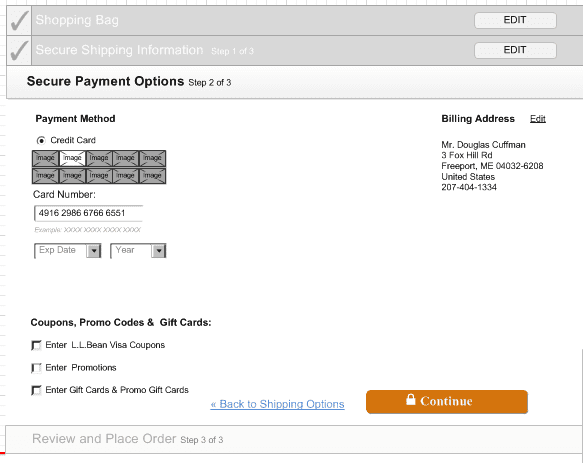
- Designed a new experience around a dynamic single-page accordion framework, prioritizing clarity, flexibility, and reduced load times.
-
Built wireframes and prototypes focused on progressive disclosure
-
Applied Gestalt principles to chunk information meaningfully
-
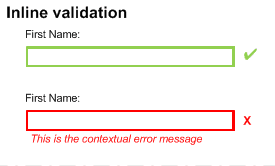
Developed real-time validation patterns and flexible input sequencing
-
Ensured accessibility and orientation through persistent visual signposting
Agile Iteration & Cross-Functional Collaboration.
- Executed iterative cycles over 12 months with constant feedback.
-
Integrated tightly into Agile ceremonies for ongoing input
-
Validated each phase of the redesign through stakeholder reviews and usability testing
-
Adapted the architecture in response to technical constraints and business updates
Prototyping & Testing
- Conducted moderated usability testing with LLBean customers and internal stakeholders.
-
Built interactive prototypes using Axure to simulate dynamic accordion behavior
-
Tested for cognitive load, signposting clarity, and field validation comprehension
-
Iterated quickly based on user feedback, focusing on navigation freedom and system response expectations
-
Collaborated with engineering to ensure technical feasibility of real-time validation and AJAX-driven interactions
Delivery.
- Shipped a high-performance, single-page checkout experience optimized for clarity and conversion.
-
Delivered annotated UX documentation and specifications for all scenarios and edge cases
-
Partnered with development teams to integrate AJAX logic and validation feedback patterns
-
Supported QA and UAT by providing interaction flows and user guidance logi
-
Added Task Success Rate tracking for each checkout step (Address, Shipping, Payment)• Monitored Time-on-Task during usability testing and iterated to reduce friction
-
Ran an A/B test to validate the new flow before full rollout
-
Enabled LLBean to launch the new experience in time for Black Friday—leading to their first $1M online sales day
Results & Outcomes
Metrics:
- Checkout conversion ↑ by +1.2 pts (from 3.1% to 4.3%)—validated via 2‑week A/B test
- Time-to-complete checkout reduced by 35 seconds on average
- Task Success Rate across checkout rose from 88% → 96%
- Post-launch customer satisfaction surveys indicated an 8‑point increase in ease-of-checkout scores—parallel to an internal proxy for NPS, highlighting improved user sentiment.
Conclusion:
This wasn’t just a UX refresh — it was a full-scale transformation of a critical revenue funnel. By combining strategic information architecture, agile collaboration, and deep user empathy, we replaced an outdated, multi-page checkout with a streamlined, high-performing single-page experience. The result: faster load times, lower abandonment, dramatically improved user confidence, and LLBean’s first-ever $1M online sales day—proving that great UX drives great business outcomes.
Project Gallery
UI/UX & Process Artifacts
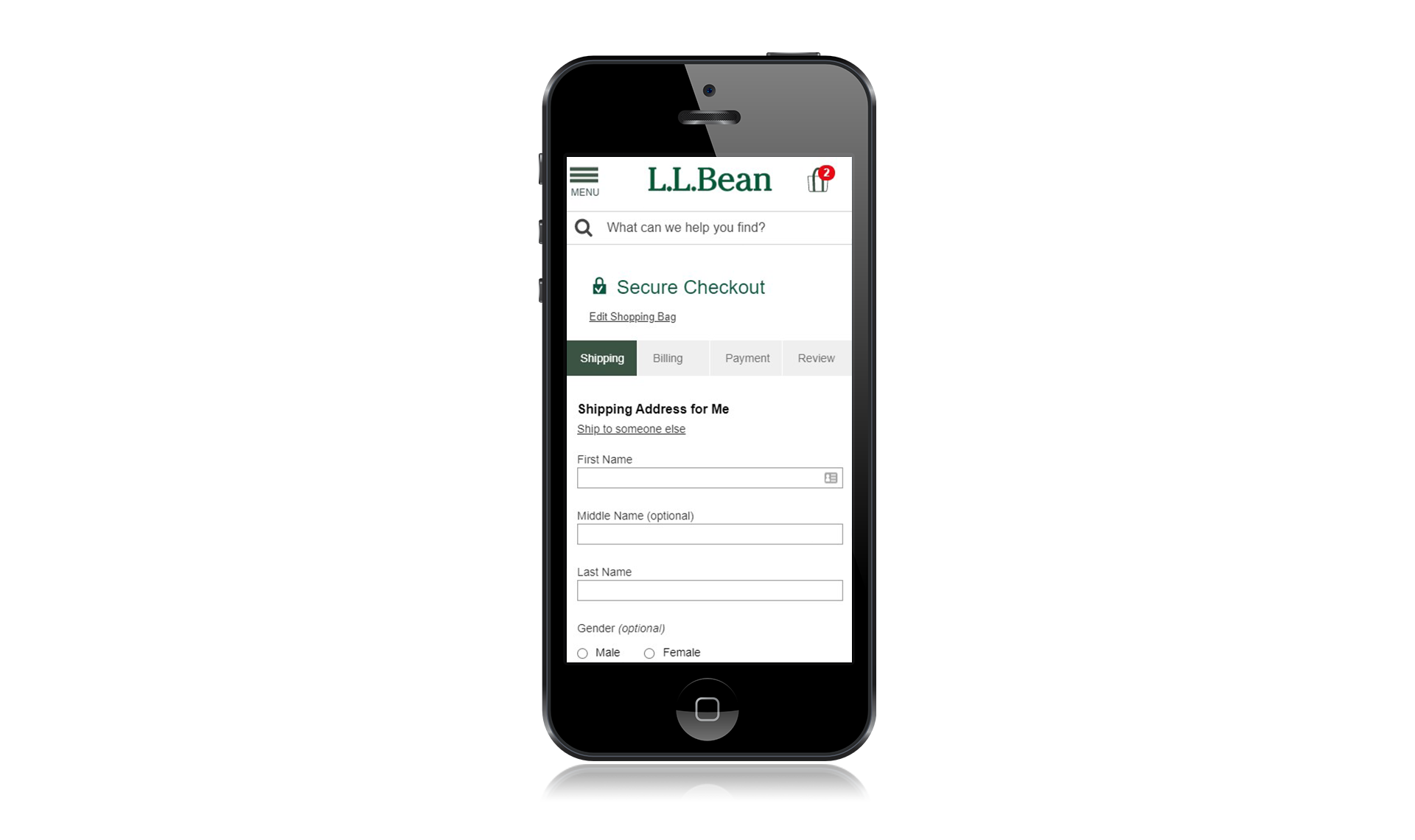
LLbean-mobile-phone-checkout1
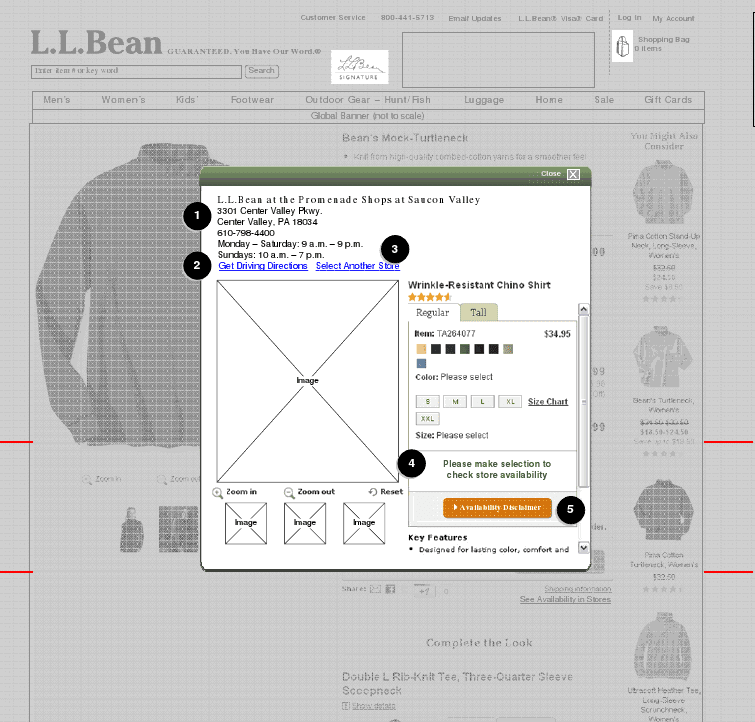
llbean-RIO-01
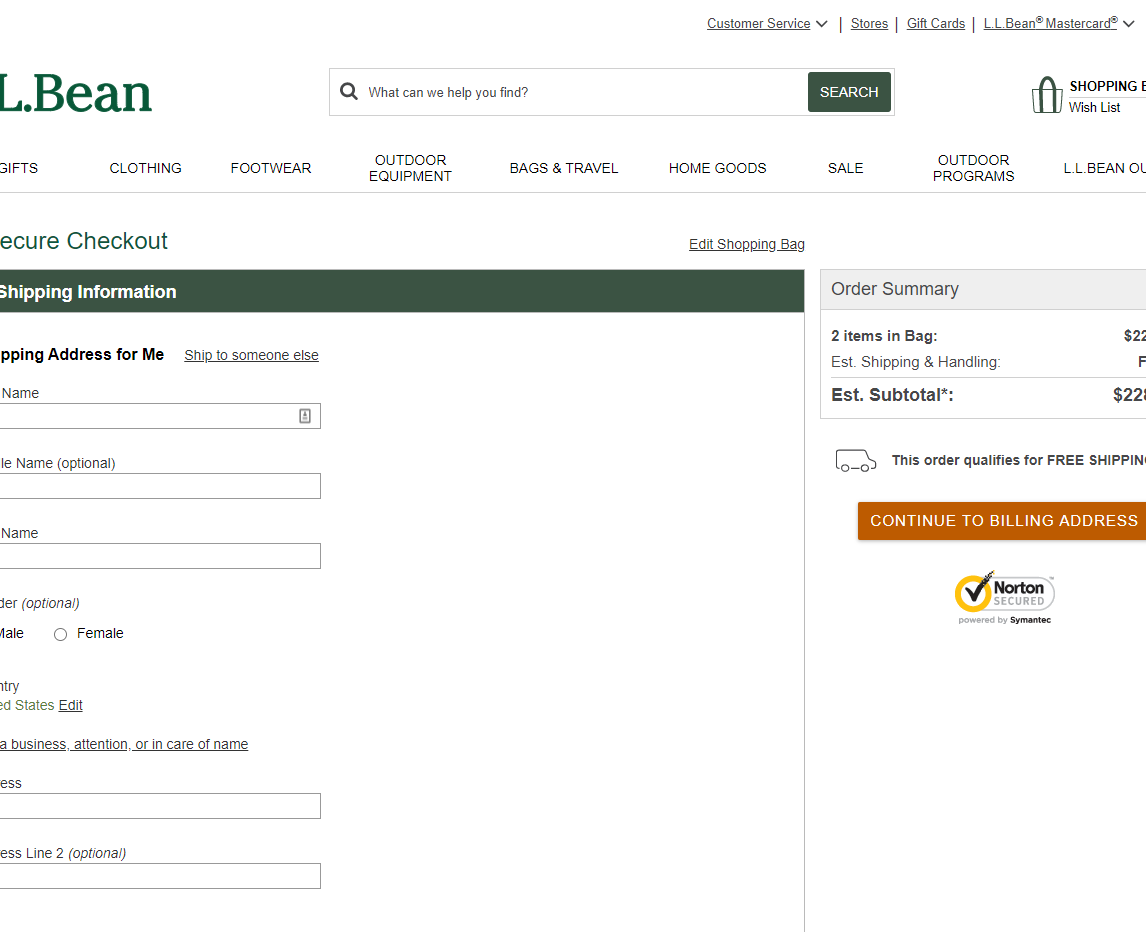
llbean-large
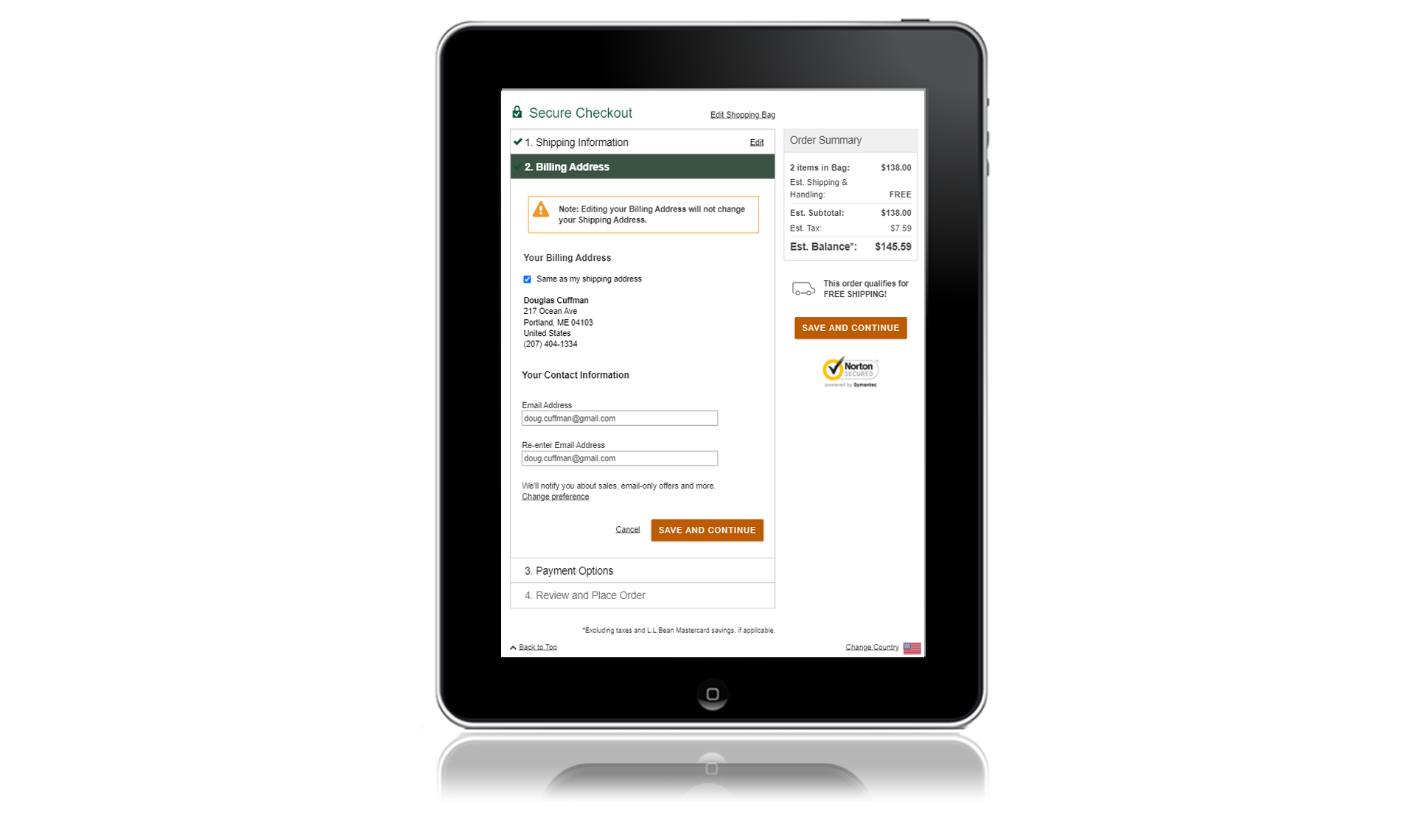
LLBean-ipad-billing
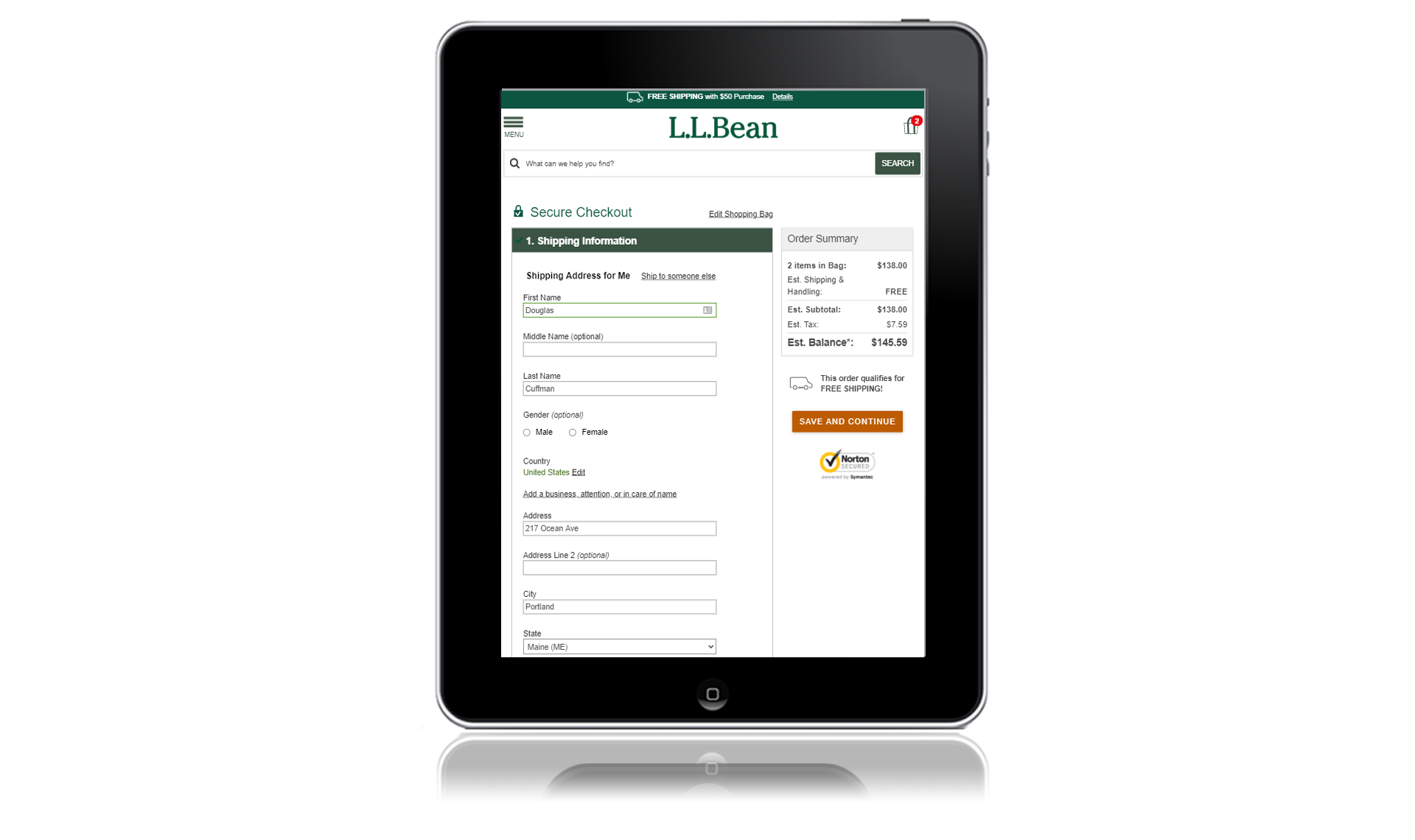
LLBean-ipad-add-shipping-info
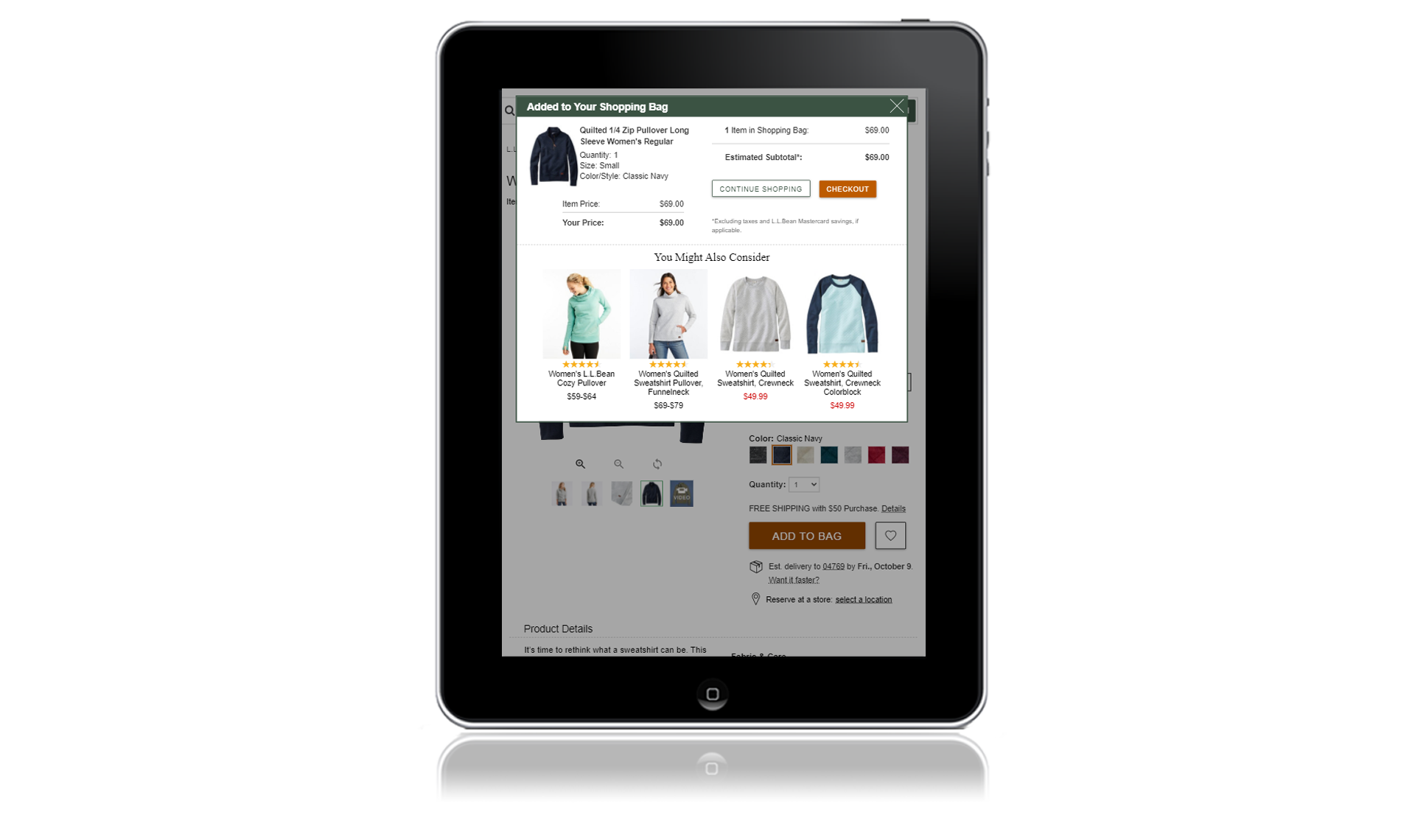
LLBean-ipad-add-to-bag
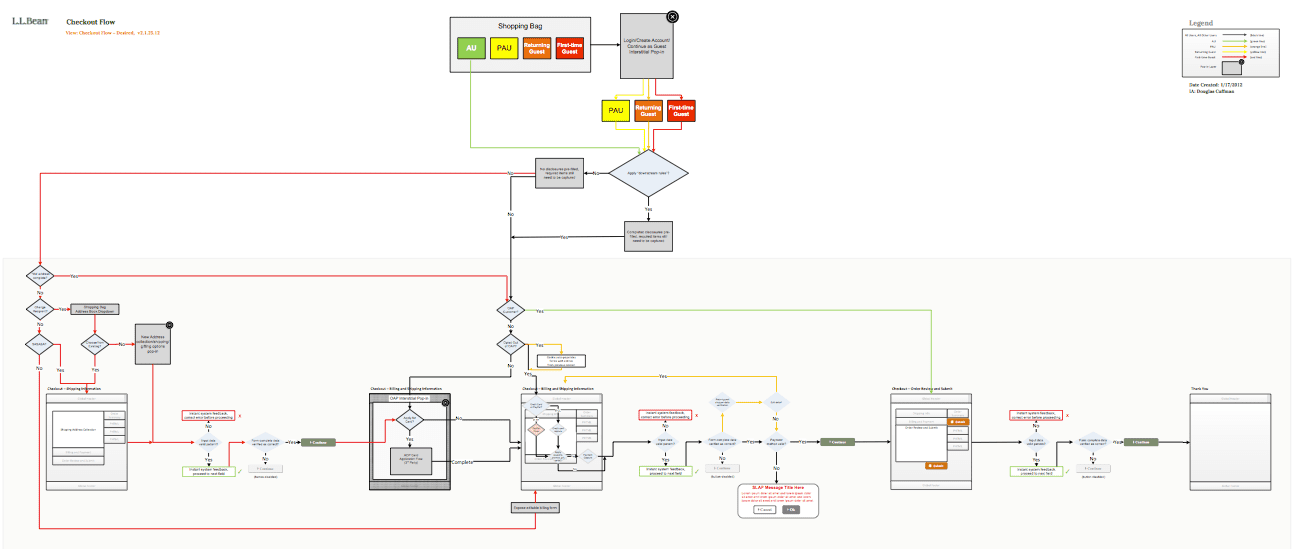
checkout-userflow
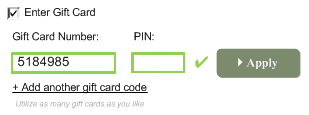
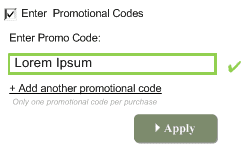
promotions_applied_screenshot_4
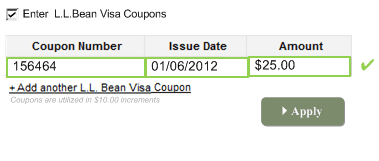
promotions_applied_screenshot_3
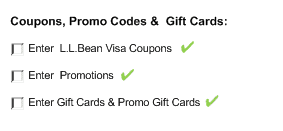
promotions_applied_screenshot_2
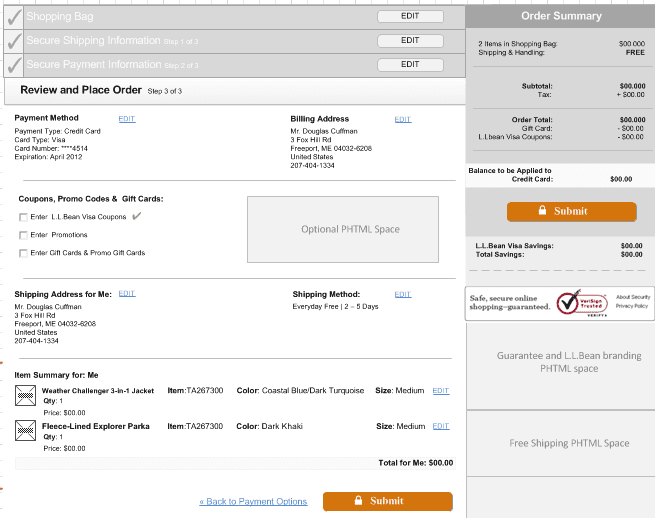
promotions_applied_screenshot_1
ORS_base_state
no_paypal_in_payment_options
inline_validation

